kNexo vs YNAB: Which Budgeting App Is Right for You in 2026?
YNAB has been the default recommendation for budgeting since 2012. But the landscape has changed. Here is how kNexo stacks up against the envelope-budgeting veteran.
YNAB (You Need a Budget) built its reputation on a simple philosophy: give every dollar a job. For years, that manual-first approach worked well for people willing to invest the time. But a growing number of users report the same frustration — they understand the method, they believe in it, and they still stop using it after a few months because the daily upkeep is exhausting According to YNAB methodology, this aligns with broader consumer-finance trends.
kNexo takes a different approach. Instead of requiring you to manually assign every dollar, it uses AI to categorize transactions, predict upcoming expenses, and turn financial progress into missions and achievements. The core question is whether that automation and engagement layer can deliver the same financial discipline YNAB provides through manual effort.
Philosophy: Manual Discipline vs. Intelligent Automation
YNAB's core belief is that manually touching every transaction builds awareness. You see each purchase, you assign it to a category, and that friction is the feature. It works for some people. The community forums are full of success stories from users who credit YNAB with eliminating their debt.
kNexo flips this assumption. Its AI engine categorizes transactions automatically and learns from your corrections. If you reclassify "Whole Foods" from "Shopping" to "Groceries" twice, the system remembers. The theory: you should spend your limited attention on financial decisions, not data entry. WhatsApp integration means you can log a cash expense by typing "coffee $4.50" in a message and the AI handles the rest.
Neither philosophy is objectively better. But the data on budgeting app retention is stark — most users abandon manual budgeting apps within 90 days. If YNAB's manual approach works for you, that discipline is genuinely valuable. If you have tried it and stopped, the automation approach may actually stick longer.
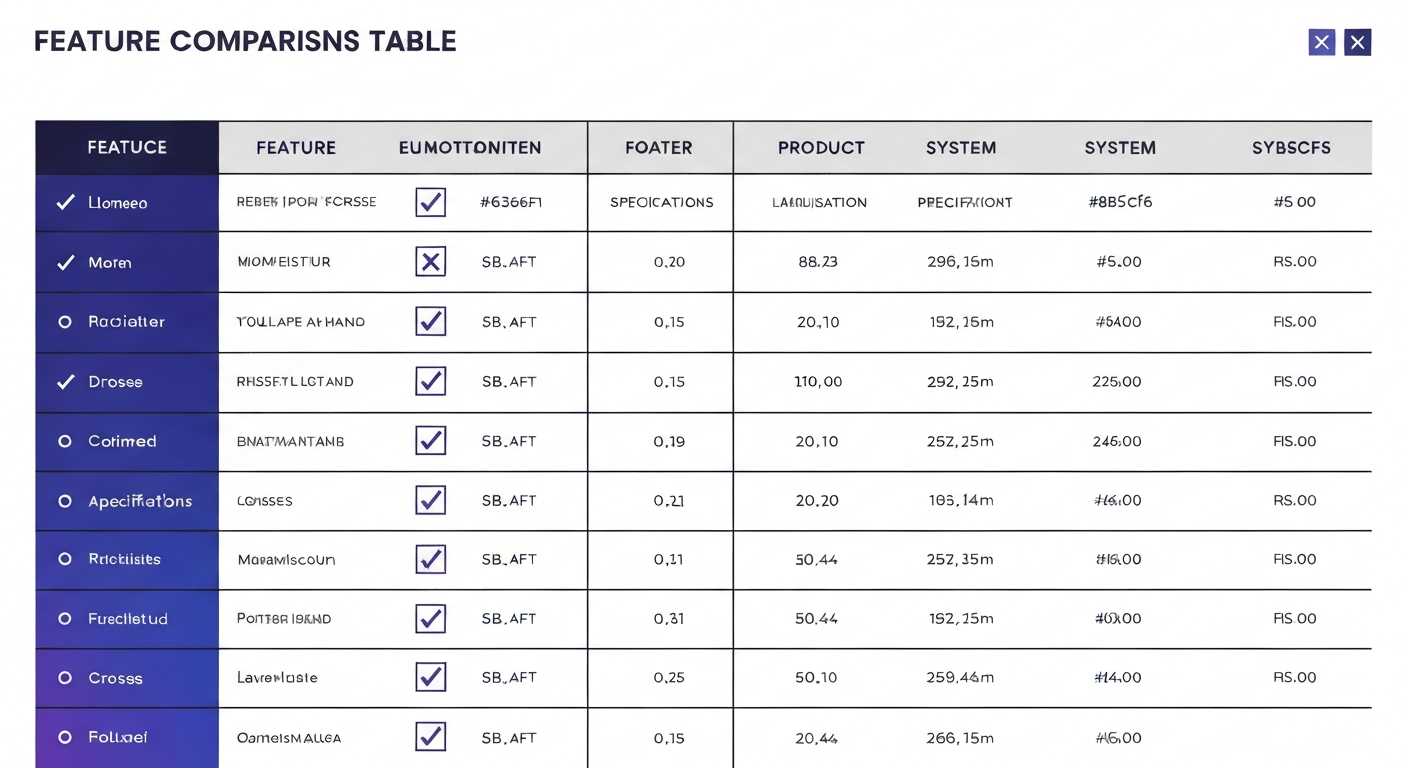
Feature-by-Feature Comparison
AI and Automation
kNexo: AI-powered transaction categorization that improves over time, predictive cash flow modeling, smart budget alerts, and personalized savings recommendations based on your actual spending patterns.
YNAB: Basic auto-import from banks with manual categorization. No predictive features. No AI-driven recommendations. The app relies on you to analyze your own spending and make adjustments.
Expense Logging
kNexo: WhatsApp integration (send a message to log expenses), bank sync, and manual entry. Three input channels reduce the chance of missed transactions.
YNAB: Bank sync and manual entry. No messaging-based input. Manual entry is encouraged as a core practice.
Engagement and Retention
kNexo: Gamification with missions, challenges, and achievements. Savings streaks. Progress mechanics designed to keep you engaged beyond the first week. See our guide on why gamified budgeting works for the psychology behind this.
YNAB: No gamification. Engagement comes from educational content (workshops, blog posts) and community forums. Effective for self-motivated learners, less effective for people who need external motivation.
Family Features
kNexo's Family: Up to 6 family members, shared goals, family quota management, individual privacy controls. Useful for family budgeting without forcing everyone to share every transaction.
YNAB: Shared budget only — one budget per household. No individual privacy. Both partners see everything, which some couples prefer and others find invasive.
Pricing: What You Actually Pay
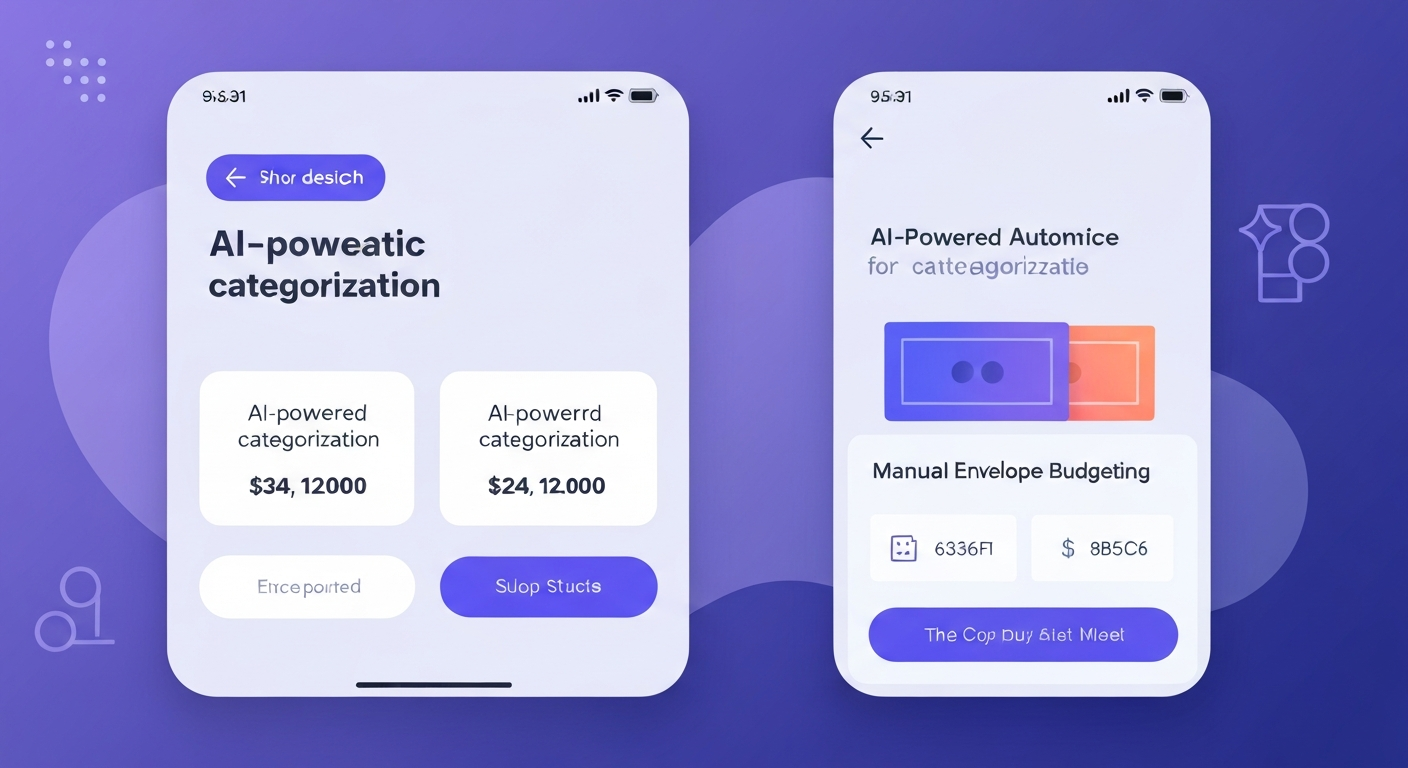
This is where the gap is significant:
- kNexo Free: $0 forever. Up to 2 bank accounts, 100 transactions/month, 10 AI categorizations/month, basic reports.
- kNexo's Pro: $19.90/month (billed annually). Unlimited transactions, unlimited AI, WhatsApp integration, advanced analytics, custom categories, budget alerts.
- kNexo's Family: $29.90/month (billed annually). Everything in Plus, plus up to 6 family members and priority support.
- YNAB: $14.99/month or $99/year. No free tier (34-day trial only). Single plan with no family-specific features.
If you are budget-conscious (and if you are reading this, you probably are), kNexo's free tier lets you evaluate the approach without paying anything. YNAB gives you 34 days before the paywall hits.
Who Should Choose YNAB
YNAB remains a strong choice if you genuinely enjoy the process of manually categorizing every transaction, you find the zero-based methodology motivating on its own, you do not need family-specific features, and you have the discipline to maintain daily engagement without external motivation. The YNAB community and educational resources are also genuinely excellent.
Who Should Choose kNexo
kNexo fits better if you have tried and abandoned manual budgeting apps, you want AI doing the repetitive work so you can focus on decisions, you communicate primarily through messaging apps, you budget with a partner or family and need privacy controls, or you respond to gamification and progress mechanics. Also worth considering if you want to explore the broader AI budgeting landscape before committing.
The Verdict
There is no universal winner. YNAB built a loyal following by teaching financial discipline through manual engagement. kNexo is built for people who want the same financial outcomes without the daily maintenance. The best budgeting app is the one you actually use consistently — and for a growing number of people, that means the one that removes friction rather than adding it intentionally.
If you are unsure, start with kNexo's free tier and run it alongside YNAB's trial for a month. Track which one you actually open more often. That tells you more than any feature comparison.
Frequently Asked Questions
Is there a better budget app than YNAB?
It depends on what you need. If you want AI-powered automation, WhatsApp expense logging, and gamification, kNexo offers features YNAB lacks. If you prefer a proven zero-based methodology with manual control, YNAB remains strong. kNexo also has a free tier, while YNAB costs $14.99/month.
What is the 70-10-10-10 budget rule?
The 70-10-10-10 rule allocates 70% of income to living expenses, 10% to savings, 10% to investments, and 10% to donations or debt repayment. Both kNexo and YNAB can implement this framework, though kNexo's AI can automatically categorize transactions into these buckets.
Does kNexo have a free version?
Yes. kNexo's Free tier includes up to 2 bank accounts, 100 transactions per month, 10 AI categorizations per month, and basic reports — no credit card required. YNAB does not offer a permanent free tier.
Can I use kNexo with my family?
Yes. kNexo's Premium plan ($29.90/month billed annually) supports up to 6 family members with shared goals, family quota management, and individual privacy controls. YNAB does not have native family features.
Ready to try AI-powered budgeting?
kNexo's free tier gives you AI categorization, bank sync, and basic reports — no credit card needed.
Start free