How to Keep Track of Expenses as a Freelancer
The shoebox-of-receipts approach costs freelancers an average of $2,000-5,000 per year in missed deductions. Here is how to fix that without becoming an accountant.
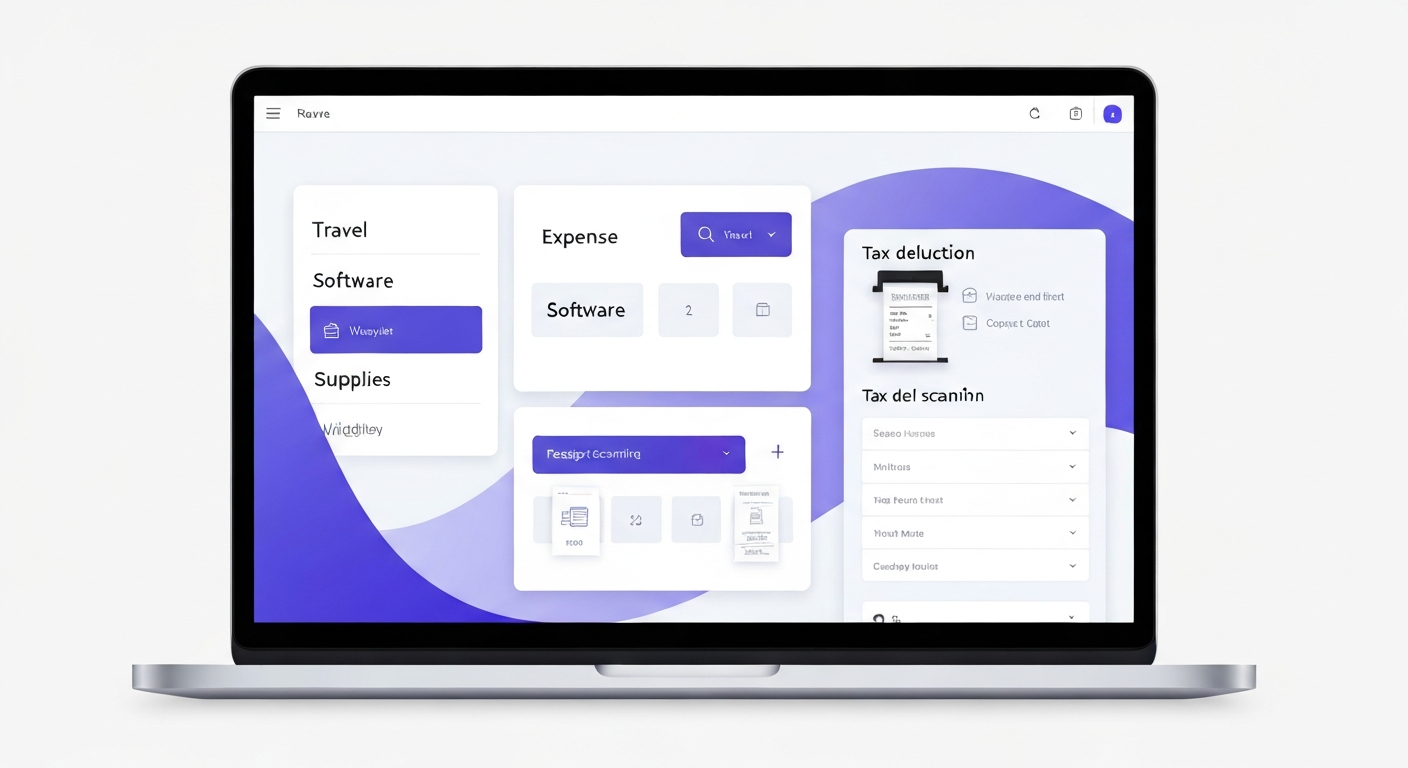
Freelancers face a unique expense tracking challenge that salaried employees never deal with: every purchase is potentially two things at once — a personal expense and a business deduction. That coffee meeting with a potential client? 50% deductible meal. Your internet bill? Partially deductible based on business use percentage. The laptop you bought? Deductible, but only if you depreciate it correctly or it qualifies for the Section 179 deduction According to IRS Publication 535 Business Expenses, this aligns with broader consumer-finance trends.
The IRS does not care whether you "forgot" to track a deduction. They also do not care if you claim personal expenses as business ones. Getting this right matters: the average freelancer earning $60,000 can reduce their tax bill by $4,000-8,000 through proper expense categorization.
The Freelancer Expense Categories That Matter
The IRS Schedule C is the freelancer's tax form. These are the categories that map to real deductions:
- Home office. Dedicated space used exclusively for work. Simplified deduction: $5/sq ft, max $1,500. Actual method: percentage of mortgage/rent, utilities, insurance based on office square footage versus total.
- Equipment and software. Computer, monitor, camera, microphone, software subscriptions (Adobe, Figma, etc.). Items over $2,500 may need depreciation; under that can be expensed immediately.
- Internet and phone. Business-use percentage. If you use your phone 60% for work, 60% of the bill is deductible.
- Travel. Flights, hotels, ground transportation for work purposes. Must be "away from home" and primarily for business.
- Meals. Business meals with clients or during work travel are 50% deductible. Keep the receipt and note who you met and what business was discussed.
- Professional development. Courses, books, conferences, coaching related to your freelance work.
- Marketing and advertising. Website hosting, domain names, social media ads, portfolio hosting, business cards.
- Health insurance. If you are self-employed and not eligible for employer coverage through a spouse, 100% of premiums are deductible (above the line, not on Schedule C).
- Vehicle expenses. Standard mileage rate ($0.70/mile in 2026) or actual expenses. Track every business mile.
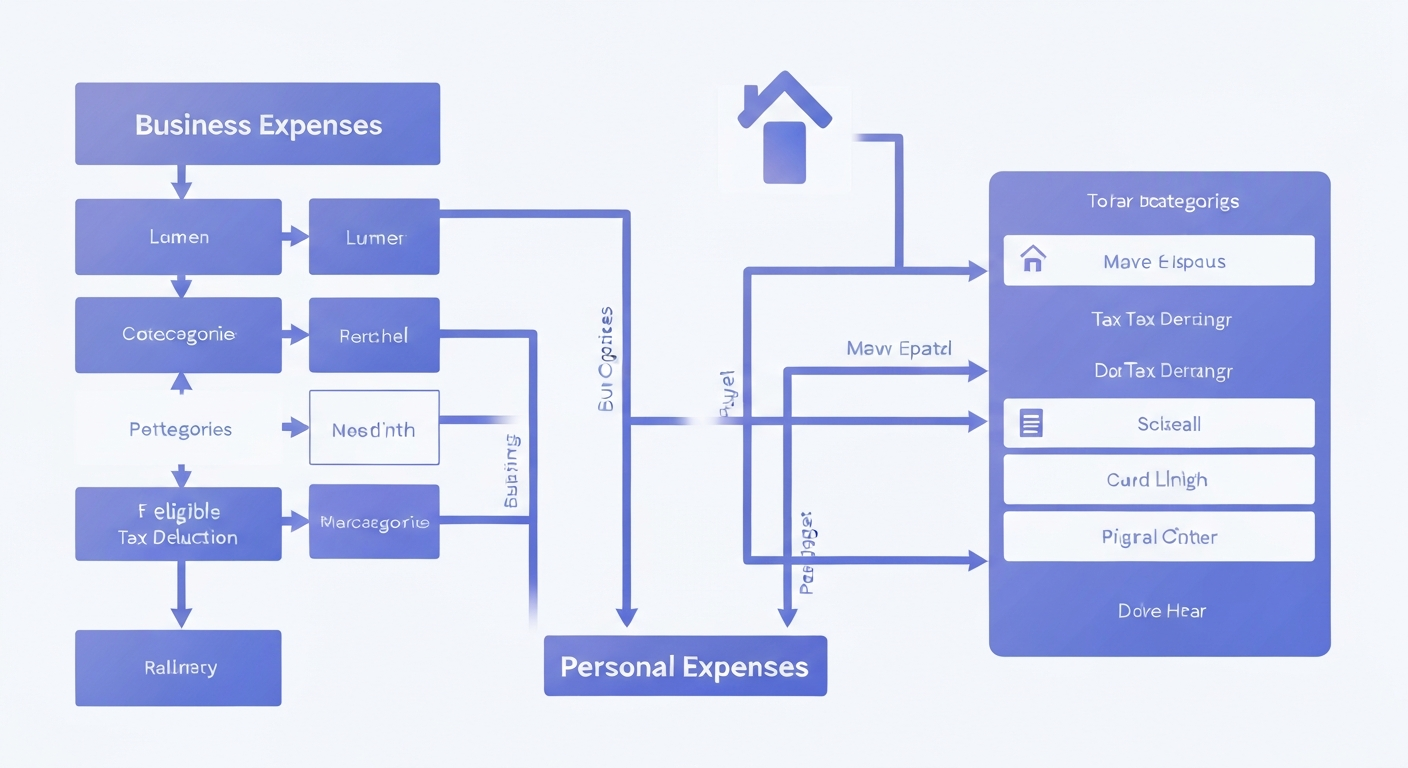
The 25% Tax Set-Aside Rule
This is the single most important financial habit for freelancers: set aside 25-30% of every payment immediately for taxes. Not at the end of the month. Not before quarterly estimates are due. The moment money hits your account.
Why 25-30%? Federal income tax (12-22% for most freelancers) plus self-employment tax (15.3%) minus deductions leaves most freelancers owing roughly 25-30% of net income. If you set aside 30% and owe less, the surplus becomes a bonus. If you set aside 20% and owe more, April becomes a crisis.
AI expense trackers like kNexo can flag incoming payments and prompt you to transfer the tax portion automatically. For a deeper look at managing variable income budgeting, see our dedicated guide.
Tools for Freelancer Expense Tracking
For Solo Freelancers (Simple Needs)
- kNexo: AI categorizes transactions and distinguishes business from personal automatically. WhatsApp integration captures cash expenses instantly — "client lunch $45 with Sarah" logs the expense, flags it as a 50% deductible meal, and records the client name. Free tier handles basics; **Pro** ($19.90/month annual) unlocks unlimited categorization.
- Wave: Free accounting and invoicing. Basic expense tracking with receipt scanning. Good for freelancers who also need invoicing. No AI.
- Hurdlr: Automatic mileage tracking and expense categorization specifically for self-employed workers. Tax estimate calculations built in.
For Freelancers With Complex Needs (Multiple Clients, Subcontractors)
- QuickBooks Self-Employed: Industry standard for a reason. Quarterly tax estimates, mileage tracking, invoicing, and Schedule C report generation. $15/month.
- FreshBooks: Strong invoicing with time tracking and project-based expense categorization. Good for service-based freelancers billing hourly. $8.50-27.50/month.
The Monthly Review That Saves You at Tax Time
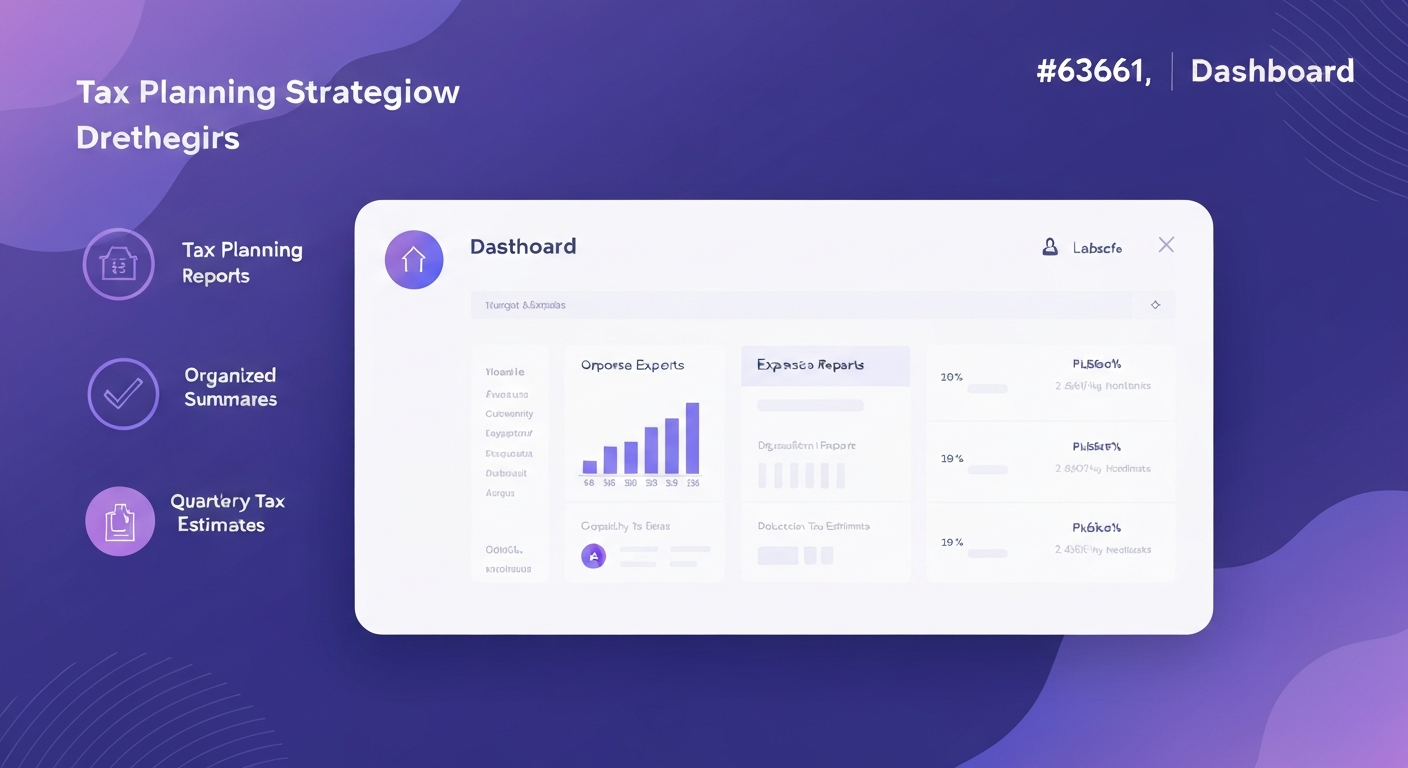
Spend 30 minutes on the first of each month reviewing:
- Uncategorized transactions. Fix anything the AI or your manual entry missed.
- Business vs. personal splits. Verify that mixed-use expenses (phone, internet, car) have the correct business percentage applied.
- Missing receipts. The IRS requires documentation for all business expenses over $75. Photograph receipts within 48 hours of purchase — they fade.
- Quarterly tax estimate prep. Calculate your quarterly estimated tax payment (due April 15, June 15, September 15, January 15) based on year-to-date income minus deductions.
- Tax set-aside balance. Verify your tax savings account has enough to cover the next quarterly payment.
This 30-minute monthly habit eliminates the 40-hour tax season scramble. Your AI expense tracker handles the daily categorization. You handle the monthly verification.
Common Freelancer Expense Tracking Mistakes
- Mixing personal and business accounts. Open a separate checking account for freelance income and expenses. This is not legally required for sole proprietors, but it makes tracking and auditing infinitely easier.
- Ignoring the home office deduction. If you have a dedicated workspace, this is free money. The simplified method ($5 per square foot, up to 300 sq ft) requires zero documentation beyond the square footage.
- Not tracking mileage. At $0.70/mile, a freelancer who drives 5,000 business miles per year deducts $3,500. But you need a contemporaneous log — after-the-fact estimates get denied in audits.
- Waiting until tax season. By April, you have 12 months of expenses to reconstruct. Receipts are lost, memories are vague, and you will miss deductions. Track as you go.
For broader personal finance management alongside your freelance expenses, see our AI budgeting apps guide and our budget consistency tips.
Frequently Asked Questions
How to record freelancer expenses?
Use a dedicated expense tracker that separates business and personal spending. Log every business expense immediately — WhatsApp-based tracking like kNexo captures purchases in real time. Categorize expenses using IRS Schedule C categories for maximum deductions.
What expenses can I write off as a freelancer?
Common deductible expenses include: home office, internet and phone (business percentage), software and subscriptions, equipment, travel for work, meals with clients (50%), professional development, health insurance premiums, vehicle expenses, and marketing/advertising.
How to keep track of finances as a freelancer?
Separate business and personal accounts. Use an AI expense tracker for automatic categorization. Set aside 25-30% of every payment for taxes. Track income by client/project. Review monthly — do not wait until tax season.
Can I make $1,000 a month freelance writing?
Yes. At entry-level rates ($0.10-0.15/word), $1,000/month requires 7,000-10,000 published words. At specialized niche rates ($0.25-0.50/word for finance, tech, healthcare), the word count drops to 2,000-4,000. Specializing is the fastest path to higher rates.
AI that knows business from personal
kNexo automatically categorizes freelance expenses, flags deductions, and tracks tax set-asides.
Start free